Socio-economic impact assessment study
initial assessment component
initial assessment component
PURPOSE OF THE STUDY
to assess the socio-economic impact
The purpose of the study to assess the socio-economic impact of the LIFE 13 NAT/RO/001488 project actions is to investigate certain particular indicators that the specialized literature has launched as possible predictors (socio-contextual, cultural, etc.) of environmental attitudes and behaviors in order to outline attitudinal and behavioral configurations of the inhabitants of the project area, in general, and the attitude of the local population towards the project actions, in particular.
Based on qualitative pre-survey studies, mainly represented by unstructured interviews and participatory observation, a questionnaire was developed aimed at capturing environmental attitudes and behaviors in general and biodiversity in particular among the inhabitants of the eight targeted administrative-territorial units (Anina, Bozovici, Lăpuşnicu Mare, Şopotu Nou, Cărbunari, Sasca Română, Ciclova Română and Oraviţa).
To conduct the study, a confidence level of 95% and a confidence interval of 5 were chosen.

The total population size of the investigation is 27,248 inhabitants, according to the 2011 census. Therefore, the optimal sample size is 379 subjects.
The distribution of the number of questionnaires by localities was done proportionally, depending on the total number of their inhabitants.
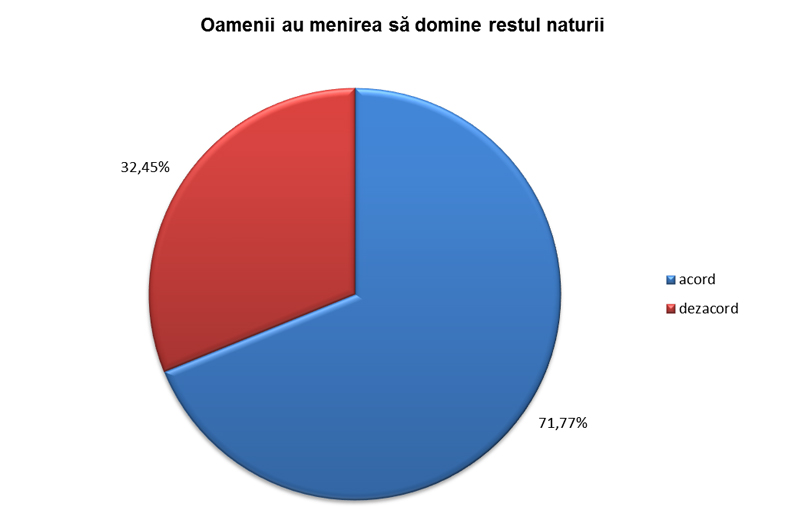
From the analysis of the questionnaire responses, a multitude of correlations and interpretations were made, the most relevant ones being presented below: